How Nashik’s Wineries, Vineyard Resorts and Agri-Tourism Businesses Can Market Online
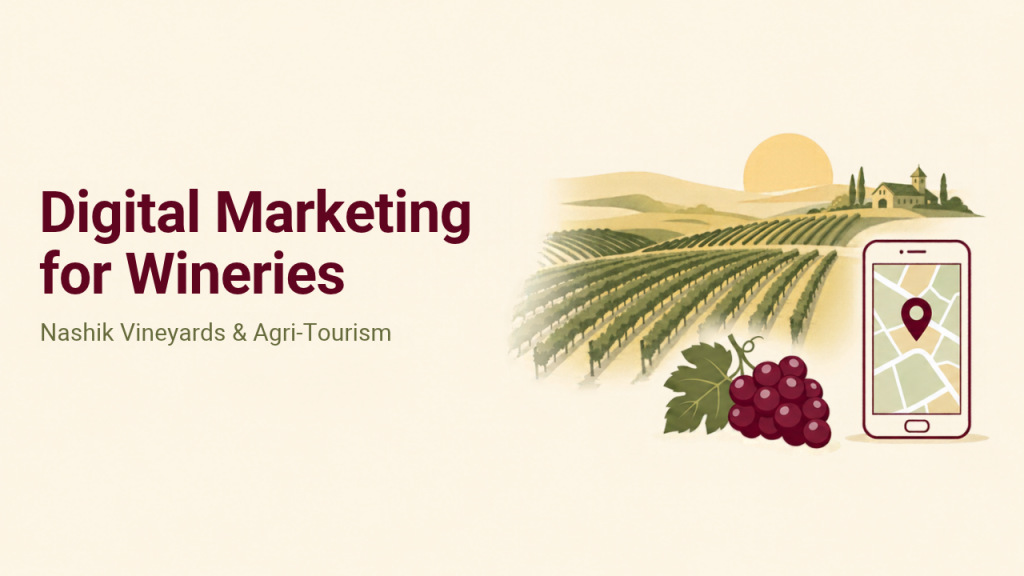
Nashik is called the wine capital of India for a reason. Vineyards stretch across Gangapur, Dindori, Sinnar and the hills around the city, and every weekend cars arrive from Mumbai and Pune for tastings, vineyard stays, harvest festivals and long lunches with a view.
Almost all of those visitors decided where to go before they left home. They searched “vineyard stay near Nashik”, watched a Reel of a sunset over the vines, read reviews on Google Maps and messaged on WhatsApp to check availability. The wineries, vineyard resorts and farm stays that show up at those moments get the visits. The others wait for walk-ins.
This guide explains how digital marketing for wineries works in Nashik, for winery owners, resort managers, agri-tourism operators and the marketers who work with them. It covers what you can and cannot advertise, the channels that bring visitors, a step-by-step campaign you can set up this season, and how to measure whether it is working.
First, the Ground Rule: Market the Experience, Not the Alcohol
Wine marketing in India comes with a constraint that most other businesses do not have. Direct advertising of alcohol is restricted by law, and the big ad platforms add their own rules on top. Google and Meta both limit alcohol-related ads by country and age, and ads that push wine sales are likely to be rejected or get your account restricted.
The good news is that this pushes you towards what actually sells a trip to Nashik: the experience. You are not marketing a bottle. You are marketing:
- A vineyard tour and the story of how wine is made.
- A weekend stay with a view of the vines.
- A harvest festival, grape stomping or a live music evening.
- A farm-to-table lunch, a picnic or a sunset café.
- A venue for weddings, birthdays and corporate offsites.
- A farm stay where children pick grapes and see where food comes from.
Build every campaign around these. Keep wine as part of the story, not the call to action. Add an age gate to pages about tastings, show responsible-drinking messaging, and check each platform’s current alcohol policy before you launch paid ads. If you are unsure, get the creative approved on a small budget first.
Who Are You Marketing To?
“Everyone who likes wine” is not an audience. Most Nashik wine and agri-tourism businesses serve a handful of clear groups, and each one searches and decides differently.
| Audience | What they want | Where to reach them |
|---|---|---|
| Weekend couples and friends from Mumbai and Pune | A short, beautiful escape with good food and photos | Instagram Reels, Google search, Google Maps, creators |
| Families | Safe, open spaces, farm activities for children, good food | Google search, Facebook, WhatsApp groups, reviews |
| Wine enthusiasts | Guided tours, the winemaking story, special events | Instagram, YouTube, email and WhatsApp lists, events |
| Corporate HR and event planners | Offsite venues with rooms, meeting space and activities | LinkedIn, Google search, email outreach |
| Wedding and party planners | A scenic venue with stay, catering and photos | Instagram, wedding platforms, Google search |
| Schools and colleges | Educational agri-tourism visits and farm trips | Direct outreach, Google search, Facebook |
Pick one or two groups for your first campaign. A family farm stay and a premium couples’ getaway need different photos, offers and messages.
Step 1: Build the Foundation Before You Spend on Ads
Paid campaigns send people to look at you. If your listings, website and reviews are weak, the ad money leaks away. Fix these first.
Google Business Profile
For most vineyards, resorts and farm stays, Google Maps is the biggest source of free enquiries. People search “winery near me”, “vineyard resort Nashik” or “agro tourism near Nashik” and choose from the map. Make your Google Business Profile complete:
- Choose accurate categories, for example winery, resort hotel, farm stay or agritourism, depending on what you actually offer.
- Add opening hours, tour timings, booking links, phone and WhatsApp.
- Upload fresh photos every month: vines in each season, rooms, food, events and the view.
- Post updates for events, harvest weekends and seasonal offers.
- Reply to every review, and ask happy guests for one using a QR code at checkout or the tasting room.
A Website That Turns Visitors into Bookings
Your website is where Google traffic, ads and Instagram links finally land. It should load fast on mobile and make booking easy. At minimum, include:
- One page per experience: vineyard tour, stays, events, weddings, corporate offsites, farm visits.
- Clear prices or “starting from” prices, timings and what is included.
- A booking engine, or at least a one-tap WhatsApp and call button.
- A “how to reach us” section with distance and drive time from Mumbai, Pune and Nashik city.
- An events calendar that you actually keep updated.
- An age gate and responsible-drinking note on pages about tastings.
Listings Where Travellers Already Search
Vineyard resorts and farm stays should also be listed on the main hotel booking and holiday rental platforms, and on experience and events platforms for festivals and tours. Use them for visibility, but always try to bring repeat guests back to direct booking through your website and WhatsApp.
Step 2: Content That Makes People Want to Visit
Wine country is one of the most visual businesses there is. Content does a lot of the selling for you.
Instagram Reels and YouTube Shorts
Short vertical videos reach people who are not following you yet. Ideas that work for Nashik vineyards:
- Golden hour over the vines, with the location tagged.
- “A day at our vineyard in 30 seconds”: arrival, tour, lunch, sunset.
- Harvest season: grape picking, crushing, grape stomping.
- Behind the scenes: the winemaker, the barrel room, the vineyard team.
- Room tours and the view from the balcony.
- Monsoon greenery, winter mornings and seasonal food.
Keep the focus on the place, the people and the experience. Post three to five times a week during your peak season, and reuse the best clips as ads.
Creators and Guest Content
Invite travel, food and lifestyle creators from Mumbai and Pune for a hosted stay or event, with a clear brief and usage rights for their content. Encourage guests to tag you, and reshare their posts and Reels. Content from real visitors builds more trust than anything you shoot yourself.
Search-Friendly Content on Your Website
Write helpful pages and blog posts that answer what travellers search for, such as “Nashik vineyard weekend itinerary”, “best time to visit Nashik vineyards”, “things to do in Nashik with family” or “weekend getaway from Mumbai under 4 hours”. These pages bring free traffic for years, and they are also the kind of clear answers that Google’s AI Overviews and AI assistants pick up and cite.
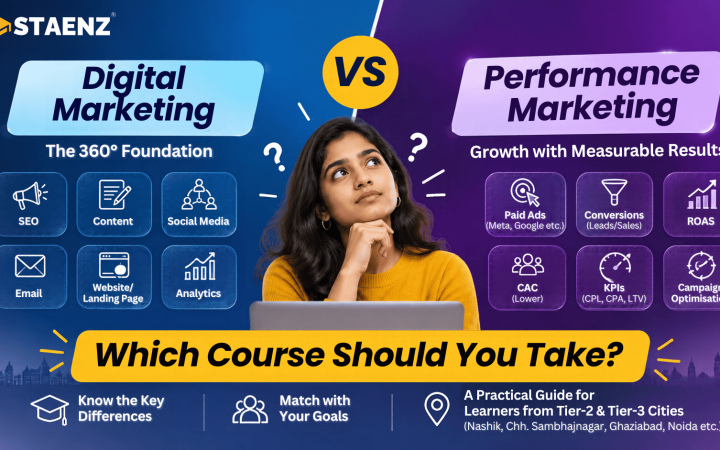
If you are planning who in your team should run this, it helps to understand the difference between digital marketing and performance marketing before you hire or train.
Step 3: Set up Your First Online Campaign, Step by Step
Here is a practical structure for one campaign, for example a harvest weekend, a monsoon stay offer or a New Year event. Use the same steps for every campaign.
1. Set One Clear Goal
Choose one result you want: room nights, tour bookings, event tickets, wedding enquiries or corporate leads. Write down a number and a date, for example “40 harvest weekend bookings by 15 February”. This decides everything else.
2. Choose the Audience and the Offer
Match the offer to the audience. Couples from Mumbai might get a “Vineyard Weekend for Two” with a stay, tour and dinner. Families might get a “Grape Picking Day” with lunch and activities for children. Corporate teams get an offsite package with rooms, meeting space and team activities. Give people a reason to book now: limited dates, early-bird pricing or a weekday discount.
3. Build a Landing Page for the Offer
Send ad traffic to a page made for that one offer, not to your home page. Include photos and a short video, what is included, dates, price, how to reach, reviews and one main button: “Book now” or “Check availability on WhatsApp”.
4. Set up Tracking Before You Spend
Install Google Analytics 4 and Google Tag Manager, and track bookings, enquiry forms, calls and WhatsApp clicks as conversions. Connect them to Google Ads and Meta (with the Meta Pixel and Conversions API). Without this, you cannot tell which ad brought which booking.
5. Run Google Search Ads for People Who Are Ready to Book
Target searches about the experience, not the alcohol: “vineyard resort Nashik”, “farm stay near Nashik”, “weekend getaway from Mumbai”, “agro tourism Maharashtra”, “corporate offsite near Mumbai”. Add negative keywords such as jobs, internship, free and anything you do not offer. Target the cities your guests come from and keep the ad text focused on the stay, the view, the food and the activities.
6. Run Meta Ads to Create Demand
On Instagram and Facebook, use your best Reels as video ads. Target adults (above the legal drinking age, at minimum) in Mumbai, Thane, Pune and Nashik with interests like travel, weekend getaways and food. Use Meta’s lead forms or click-to-WhatsApp ads for enquiries. Keep every creative about the experience so it stays within platform policy.
7. Retarget the People Who Almost Booked
Most people visit your page and leave. Show them a reminder ad with reviews, a limited-dates message or a small offer. Retargeting is usually the cheapest booking you will get.
8. Reply Fast and Follow Up
Speed wins bookings. Use WhatsApp Business with quick replies for prices, availability and directions, and make sure someone responds within minutes during the day. Record every enquiry and its source in a simple sheet or CRM.
9. Review Every Week
Each week, check cost per enquiry, cost per booking, which ads and audiences work, and what guests say. Move budget towards what brings bookings and pause what does not. For a deeper guide to running and tracking paid campaigns, see the performance marketing course at STAENZ.
A Sample 6-Week Harvest Season Campaign
| Week | What to do |
|---|---|
| Week 1 | Finalise dates, packages and prices. Build the landing page and set up tracking. Update Google Business Profile with the event. |
| Week 2 | Shoot Reels and photos. Announce the event to past guests on WhatsApp and email with early-bird pricing. |
| Week 3 | Launch Google Search ads and Meta video ads in Mumbai, Pune and Nashik. Host two or three creators. |
| Week 4 | Start retargeting. Share creator content. Pause weak ads and move budget to the best ones. |
| Week 5 | Push “last few slots” messages. Reach corporate and group buyers on LinkedIn and email. |
| Week 6 | Run the event, film it, collect reviews and guest content. Use it for next season and for evergreen ads. |
Plan Around the Nashik Vineyard Calendar
- Winter (roughly November to February): pleasant weather and the busiest travel season. Promote stays, tours, weddings and New Year events early.
- Harvest (roughly January to March): the most visual time of year. Harvest festivals, grape picking and stomping make the best content and events.
- Summer (roughly April to June): quieter. Offer weekday deals, indoor experiences, sunset events and corporate offsites.
- Monsoon (roughly July to September): green hills and misty mornings. Promote “monsoon escapes” to Mumbai and Pune.
- Long weekends and festivals: run short campaigns two to four weeks in advance.
- Simhastha Kumbh Mela 2027: a huge rise in visitors to the region. Read our Kumbh Mela 2027 marketing guide for Nashik businesses to plan ahead.
Agri-Tourism and Farm Stays: Extra Ideas
Not every vineyard business makes wine. Grape farms, farm stays and agri-tourism centres around Nashik can grow with the same approach:
- School and college visits: create an education package and reach principals and teachers directly with a simple brochure and WhatsApp follow-up.
- Pick-your-own experiences: grape picking in season, plus seasonal produce through the year.
- Farm-to-table meals: local Maharashtrian food is a big draw. Show it in your content.
- Direct produce sales: sell grapes, raisins, jams and other produce to visitors and through WhatsApp orders.
- Partnerships: tie up with Nashik hotels, travel agents, cab operators and temple-visit tour operators so they recommend you to their guests.
What to Measure
| Metric | Why it matters |
|---|---|
| Google Business Profile calls, direction requests and website clicks | Shows how well you are found on Maps |
| Enquiries and bookings by source | Tells you which channel actually brings guests |
| Cost per enquiry and cost per booking | Tells you whether ads are profitable |
| Direct bookings vs OTA bookings | More direct bookings means less commission |
| Review count and rating | Drives both Maps ranking and conversion |
| Repeat guests | The cheapest bookings you will ever get |
Common Mistakes to Avoid
- Advertising the alcohol instead of the experience, which gets ads rejected and accounts restricted.
- Old photos on Google and booking sites that do not match the season or the current property.
- Sending ads to the home page instead of an offer page.
- Boosting posts without a plan, instead of running campaigns with a goal, audience and tracking.
- Slow replies on WhatsApp, especially on weekends when people plan trips.
- Not collecting guest contacts, so every season starts from zero.
- Handing everything to an agency without understanding the basics, which makes it hard to judge results.
Learn to Run These Campaigns at STAENZ, Nashik
Wine and agri-tourism marketing works best when someone inside the business understands both the property and the platforms. That might be the owner, a family member, the resort’s marketing executive or a freelancer who specialises in hospitality.
If you are looking for a practical digital marketing course in Nashik, STAENZ Academy runs LIVE classroom batches at two city centres, College Road and Ashoka Marg, with master trainers and assistant trainers in the room.
- AI-Driven Digital Marketing Expert Program (DMEP): 4 months of LIVE training across 45+ modules, including Google Business Profile, SEO, social media, content, WhatsApp marketing and analytics, followed by a 2-month internship. Ideal for whoever will manage your complete online presence.
- AI-Driven Performance Marketing Mastery: a 12-week LIVE program on Google Ads, Meta Ads and tracking with GTM, GA4 and Conversions API, where you run real campaigns with a real budget. Ideal for owners and marketers who want to run booking campaigns themselves.
- Video Editing Course for Marketers: learn to shoot and edit Reels and short videos, the content that sells vineyard experiences best.
Marketers who want to work with wineries, resorts and other hospitality clients without moving to a metro can also read our guide to freelancing from Nashik as a digital marketer. Hotel and tourism owners elsewhere in Maharashtra may find our guide to digital marketing for hotels and tourism useful too.
Frequently Asked Questions
What Is Digital Marketing for Wineries?
It is the use of online channels such as Google Business Profile, websites, search, social media, video, WhatsApp and paid ads to attract visitors, bookings and event guests to a winery. In India, it focuses on promoting experiences like tours, stays and events rather than advertising alcohol directly.
Can Nashik Wineries Run Google Ads and Meta Ads?
Yes, for experiences such as vineyard stays, tours, food, events, weddings and corporate offsites, provided the ads follow Indian law and each platform’s alcohol policy. Ads that directly promote buying or drinking alcohol are likely to be rejected. Check the current policies and test creatives on a small budget first.
Which Social Media Platform Works Best for Vineyards?
Instagram is usually the strongest, because vineyards are highly visual and Reels reach new people. YouTube works well for longer tours and stories, Facebook for families and older audiences, and LinkedIn for corporate offsites.
When Should Nashik Vineyards Start Promoting the Harvest Season?
Ideally four to six weeks before the first harvest events, with early-bird offers to past guests first, then ads to new audiences in Mumbai, Pune and Nashik.
How Can Agri-Tourism Businesses Get More Visitors?
Start with a complete Google Business Profile, good photos and reviews, then add Instagram content, a simple website with WhatsApp booking, school and group outreach, and small, well-tracked ad campaigns in nearby cities.
Can Winery Owners Learn to Run Their Own Campaigns?
Yes. With structured training and practice on real campaigns, owners and their staff can manage Google Business Profile, content and paid ads, or at least judge an agency’s work properly.
Conclusion
Nashik’s vineyards, resorts and farm stays have something city travellers want: open skies, good food, beautiful views and a story. Digital marketing for wineries is about making sure those travellers find you first. Market the experience rather than the alcohol, build strong listings and content, run well-tracked campaigns around the vineyard calendar, and reply to every enquiry quickly. Do that season after season, and more of your guests will come straight to you, and come back.